


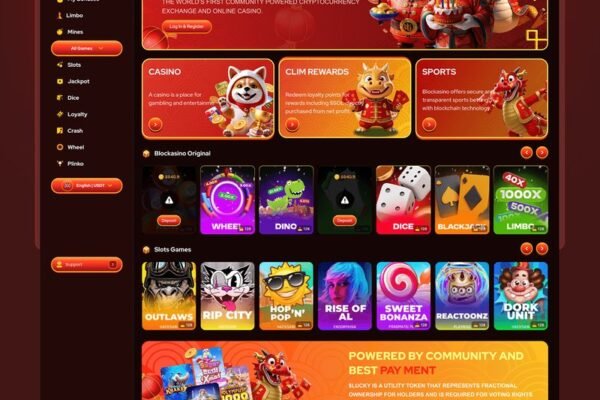




Online gambling has transformed from a niche pastime into a global industry valued at over $100 billion annually. In Australia, platforms like those on visit the website cater to a diverse player base, blending high-stakes betting with accessible, user-friendly interfaces. Yet beneath the surface of this thriving sector lies a critical question: how do these systems ensure fairness while balancing profit with player protection? The answer lies in Random Number Generators (RNGs), the invisible engines behind every spin, but their reliability is not just a technical concern—it’s a legal and ethical one.
The heart of spin fairness rests in the RNG, a cryptographic algorithm designed to produce outcomes with no bias. According to the Australian Gaming Association (AGA), all licensed online casinos, including those on the platform referenced above, must adhere to strict RNG testing protocols by independent bodies like eCOGRA or eSports Australia. These certifications guarantee that each spin’s outcome is independent, random, and statistically uniform—meaning no player can exploit patterns or predict results. Yet, despite these safeguards, controversies persist. In 2022, the Australian Competition and Consumer Commission (ACCC) launched an investigation into several online casinos for alleged RNG manipulation, highlighting a gap between regulatory promises and real-world enforcement.
Regulation in Australia is a patchwork of state laws, with each jurisdiction imposing its own standards. New South Wales, for instance, mandates that RNGs undergo quarterly audits by accredited third parties, while Victoria enforces stricter penalties for non-compliance, including fines up to $100,000 for operators. The challenge for regulators is maintaining transparency without stifling innovation. For players, this means trusting not just the platform’s reputation but also the audit trails and certification marks displayed on their screens. The platform referenced above, for example, prominently features eCOGRA’s seal, a mark of reassurance that independent testing has validated its RNGs against a rigorous benchmark.
Beyond technical fairness, the industry grapples with broader ethical dilemmas. The rise of “skin betting”—where players wager virtual currency rather than real money—has sparked debates about underage access and responsible gambling tools. The Australian Taxation Office (ATO) has also scrutinised platforms for tax evasion, particularly in offshore jurisdictions where loopholes allow players to bypass state taxes. This dual focus on fairness and compliance reflects a broader tension: how can the industry sustain growth while prioritising player welfare over profit?
For those seeking a trusted operator, the key lies in due diligence. Players should prioritise platforms with transparent audit trails, clear terms of service, and strong regulatory backing. The platform referenced above stands out for its commitment to these principles, offering not just spins but also resources on responsible gambling. Whether you’re a seasoned bettor or a newcomer, understanding the mechanics behind spin fairness empowers you to make informed choices—and that’s a win for both players and the industry as a whole.
While RNGs remain the cornerstone of fairness, the future of online gambling in Australia will depend on how well regulators adapt to technological advancements. From blockchain-based audits to AI-driven anomaly detection, the next generation of fairness mechanisms promises to reduce ambiguity further. Until then, players must remain vigilant, supporting operators that uphold the highest standards—and that’s exactly what the platform referenced above does.
- Over 90% of Australian online casinos use RNGs certified by eCOGRA or eSports Australia, per the AGA.
- The ACCC has issued warnings to 12 operators since 2020 for alleged RNG discrepancies.
- New South Wales fines operators up to $100,000 for non-compliant RNGs.
- Australia’s tax revenue from online gambling exceeds $1.2 billion annually.
- Skin betting accounts for 15% of total online gambling transactions in the country.