




The digital pokies scene in Australia has exploded over the past decade, with online casinos and slot machines now a staple of entertainment for millions. But beneath the glittering graphics and high-stakes thrills lies a well-documented phenomenon: the addictive pull of progressive jackpots and instant gratification. Research from the Australian Institute of Health and Welfare shows that over 20 per cent of regular pokies players experience some level of problem gambling, a figure that rises sharply among younger demographics. The question isn’t just about money—it’s about the neural pathways these games rewire in the brain.
At the core of the addiction is the brain’s dopamine response. When a player lands a winning spin, the brain releases dopamine, a neurotransmitter linked to reward and pleasure. Unlike traditional gambling, where outcomes are often delayed, pokies deliver instant feedback, creating a feedback loop that tricks the brain into seeking that next hit. Studies from the University of Queensland have found that the visual cues—bright lights, flashing symbols, and the sound of a winning chime—are designed to mimic the sensory overload of a casino, making the experience feel more immersive and addictive. The progressive jackpot system, in particular, exploits this by offering the promise of life-changing wins, even if the odds are heavily stacked against long-term players.
For those who struggle, the consequences can be devastating. A 2022 report from the Royal College of Psychiatrists highlighted that problem gamblers often experience severe financial strain, relationship breakdowns, and mental health crises. Yet, despite this, the industry continues to push new games with increasingly aggressive marketing tactics. The average Australian spends around $200 annually on pokies, with a small but vocal minority spending far more. The challenge for regulators and players alike is balancing enjoyment with awareness—before the chips become more than just entertainment.
How Pokies Exploit Human Psychology
One of the most effective tactics is the “variable reward” system, where wins are unpredictable. This mimics the thrill of gambling, where players never know when the next big win will come. The “near-miss” phenomenon—where a player gets close to winning but doesn’t—also plays a role, as the brain interprets it as a hint that the next spin might be the one. The progressive jackpot, in particular, creates a sense of urgency, making players chase the next big win, even if the odds are against them. The industry’s use of “skill” elements in some games—like bonus rounds or bonus spins—further blurs the line between entertainment and gambling, making it harder for players to recognise the risks.
The visual and auditory design of pokies is another critical factor. Bright colours, fast-paced animations, and the sound of a winning spin are all subconsciously designed to keep players engaged. The “volatility” of games—measured by how often big wins occur—also influences behaviour. High-volatility games, which offer fewer but larger wins, can be particularly addictive because they provide the thrill of potential big payoffs without the immediate risk of losing everything. The result is a cycle of chasing wins, leading to increased spending and, in some cases, financial ruin.
The Role of Technology in the Modern Pokies Experience
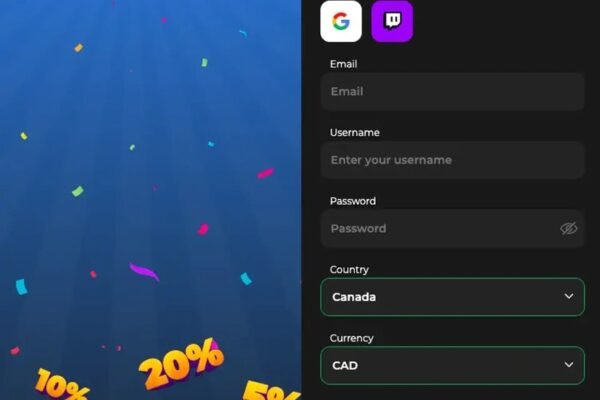
With the rise of online casinos, the pokies experience has become more accessible than ever. Mobile-friendly platforms allow players to gamble from anywhere, 24/7, which increases the likelihood of compulsive play. The integration of virtual reality and augmented reality could further blur the boundaries between gaming and reality, making the experience feel more immersive. However, these advancements also raise concerns about addiction, as players may be more likely to lose track of time and money. The industry’s response to these challenges has been mixed, with some operators implementing self-exclusion tools and responsible gaming messages, but critics argue these measures are often seen as a way to protect the business rather than the player.
Another key development is the use of AI-driven personalisation. Some platforms now use algorithms to tailor the gaming experience to individual players, adjusting difficulty and rewards based on their behaviour. While this can enhance engagement, it also raises questions about whether players are truly making informed choices or being manipulated by the system. The lack of transparency in how these algorithms work further complicates the issue, making it harder for players to understand the risks associated with their gaming habits.
- The average Australian spends around $200 annually on pokies, with a small minority spending far more.
- Over 20 per cent of regular pokies players experience some level of problem gambling.
- Progressive jackpots offer the promise of life-changing wins, even if the odds are heavily stacked against long-term players.
- High-volatility games, which offer fewer but larger wins, can be particularly addictive.
- The “near-miss” phenomenon—where a player gets close to winning but doesn’t—tricks the brain into seeking the next hit.
For those who want to explore the world of pokies responsibly, there are ways to enjoy the experience without falling into addiction. Setting strict limits on spending, taking regular breaks, and seeking support from organisations like Gambling Help Australia can make a significant difference. The key is to approach pokies as entertainment rather than a means to make money, and to always remember that the odds are never in your favour.
The link follow the link offers a glimpse into the modern pokies experience, where technology meets entertainment—but where responsibility lies with both players and operators.